
How to Choose Overnight Boarding for Anxious Dogs
Is your furry friend a bundle of nerves when you leave for vacation? You're not alone. Many pet parents face the challenge of finding overnight boarding for anxious dogs, wondering how to keep their beloved pup calm and comfortable while away. Vera's Posh Paws understands that your dog deserves more than just a place to sleep. They need a supportive environment where anxiety melts away.
Finding the right overnight stay isn't about convenience. It's about emotional safety for your pup. This guide walks you through everything from understanding what triggers boarding anxiety to choosing a facility that prioritizes calm routines, private spaces, and genuine affection. By the end, you'll feel confident making a decision that keeps your furry angel relaxed and happy.
Key Takeaways: How to Choose Overnight Boarding for Anxious Dogs
- Anxious dogs need low stimulation environments with private rooms, predictable routines, and staff trained in reading stress signals.
- Vera's Posh Paws offers cozy private suites with orthopedic Kuranda cots and all-day outdoor playtime to help nervous pups feel at home.
- Preparation matters! Schedule familiarization visits, maintain routines before drop-off, and keep goodbyes short and calm.
- Ask boarding facilities specific questions about how they handle anxious dogs, quiet zones, and individualized care plans.
- Webcam access and regular photo updates give pet parents peace of mind while their dogs enjoy a stress-free stay.
What Causes Anxiety in Dogs During Overnight Boarding?
Anxiety in dogs isn't stubbornness or bad behavior. It's a genuine emotional response to unfamiliar surroundings, separation from their human family, and sudden changes in daily rhythm. When your pup enters a new space filled with different smells, sounds, and faces, their nervous system can go into overdrive.
Separation from you is often the biggest trigger. Dogs form deep bonds with their pet parents, and being apart, even temporarily, can feel overwhelming. According to the ASPCA, separation anxiety is one of the most common behavioral issues in dogs, often manifesting as excessive barking, destructive behavior, or refusal to eat.
Sensory overload adds another layer of stress. Constant barking from other dogs, unfamiliar scents, and bustling activity levels can push sensitive pups past their comfort zone. Some dogs also experience fear around strangers or other animals, making standard boarding arrangements feel threatening rather than relaxing.
How Do You Know If Your Dog Has Boarding Anxiety?
Recognizing anxiety in your pup helps you make better boarding decisions. Dogs communicate stress through body language and behavior changes that attentive pet parents can learn to spot.
Physical Signs of Stress
Watch for excessive panting, drooling, or trembling when your dog enters new environments. A tucked tail, flattened ears, and avoiding eye contact are classic indicators that your pup feels uncomfortable. Pacing back and forth or inability to settle down. Even when physically tired signals ongoing anxiety rather than normal adjustment.
Behavioral Changes to Monitor
Anxious dogs often refuse food during the first 12 to 24 hours of boarding. While brief appetite changes are normal, prolonged refusal to eat suggests deeper distress. Other warning signs include excessive whining or barking, destructive chewing, and changes in bathroom habits.
Research from Texas A&M College of Veterinary Medicine notes that mild loose stool, pacing, and hiding can occur initially when pets board. However, persistent symptoms warrant attention and possibly a different boarding approach.
What Makes an Overnight Boarding Facility Stress-Free for Anxious Dogs?
Not all boarding facilities are created equal, especially when it comes to caring for nervous pups. The best options emphasize calm environments, predictable routines, and staff who genuinely understand canine anxiety.
Private Rooms and Quiet Spaces
Anxious dogs thrive in low-stimulation settings away from constant noise and activity. Look for facilities offering private rooms or suites rather than open areas where dogs are housed together. A dedicated quiet zone allows your pup to decompress without competing for space or feeling overwhelmed by other animals.
Vera's Posh Paws features cozy private suites with orthopedic Kuranda cots, giving your furry friend a comfortable, den-like space to rest. This setup mimics the security of home rather than the chaos of crowded arrangements.
Consistent Daily Routines
Predictability reduces anxiety because your dog doesn't waste mental energy worrying about what happens next. The best facilities maintain consistent feeding schedules, potty breaks, and rest periods. When your pup knows what to expect, their nervous system can finally relax.
Reduced Sensory Overload
In a private room, your dog isn't bombarded by constant barking, strange dogs passing by, or unpredictable activity. The quieter setting allows their nervous system to stay calm rather than perpetually activated. This matters enormously for dogs who become overwhelmed easily.
Personal Space for Decompression
Just like humans, dogs need alone time to recharge. A private suite gives your pup a safe retreat where they can rest undisturbed. At Vera's Posh Paws, dogs enjoy their own cozy space complete with orthopedic bedding designed for comfort during overnight stays.
Individualized Attention
When staff aren't managing large groups simultaneously, they can focus on your dog's specific needs. This one-on-one approach builds trust faster than rotating handlers in chaotic environments. Your pup learns to recognize familiar faces, which eases anxiety over time.
How Important Is Outdoor Play for Anxious Dogs During Boarding?
Exercise and fresh air play crucial roles in managing canine anxiety. However, the type of outdoor access matters just as much as having it available.
Benefits of All-Day Outdoor Playtime
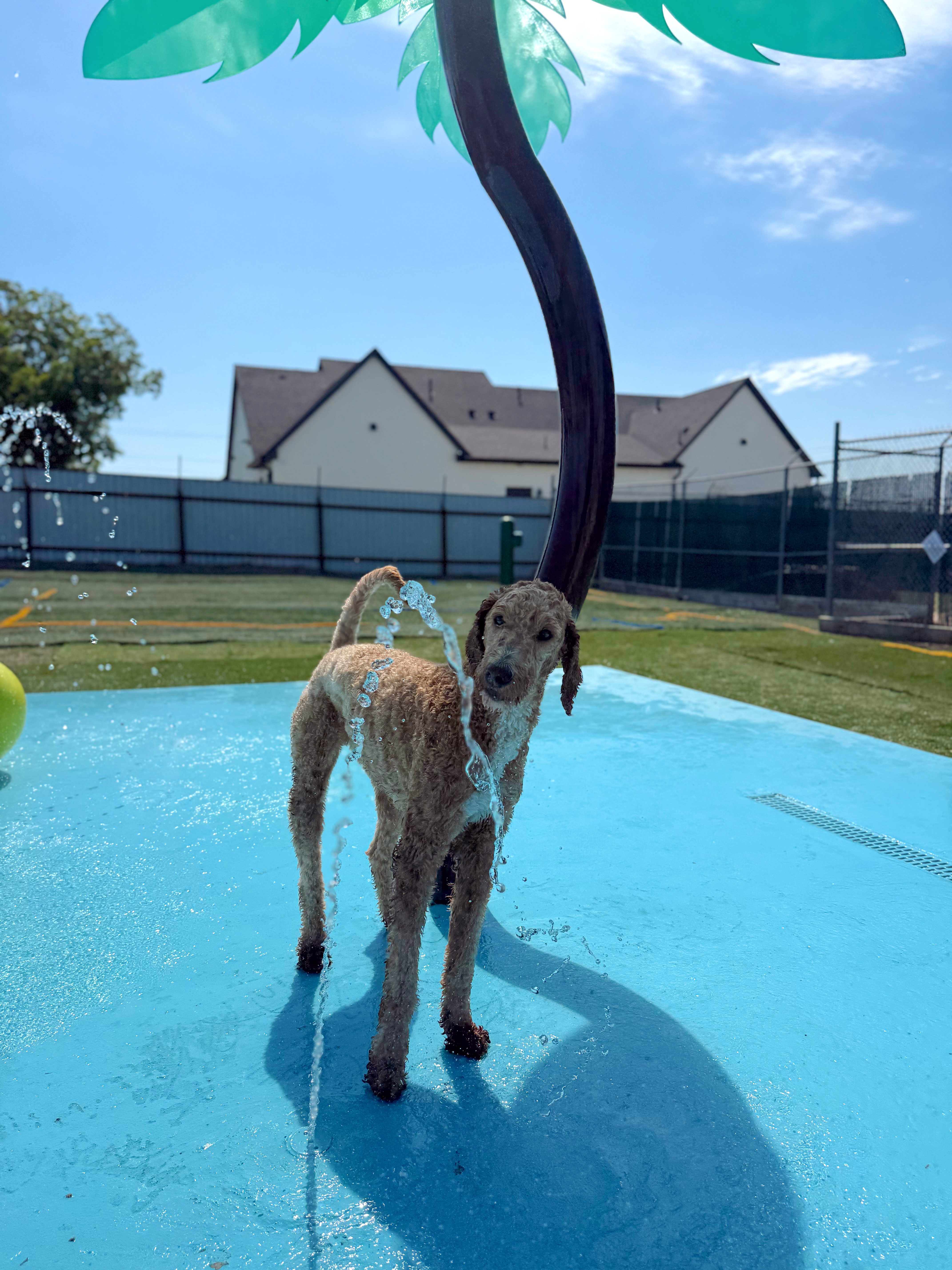
Physical activity releases pent-up energy and triggers feel-good endorphins that naturally calm anxious dogs. Fresh air and new smells engage your pup's brain in positive ways, redirecting focus from stress to exploration. Vera's Posh Paws offers outdoor playtime with friends all day during boarding, giving your furry angel the enrichment they crave.
Supervised vs. Unsupervised Play
For anxious dogs, supervised playtime ensures safety and appropriate pacing. Staff should decide when and how dogs interact, never forcing group play on pups who prefer solitude. Some dogs love splashing through water or romping with canine companions, while others prefer quiet sniffing sessions alone. A good facility accommodates both preferences.
Balancing Activity and Rest
Anxious dogs tire more quickly, both mentally and emotionally. They need adequate rest periods between activities to recover. The ideal facility balances stimulating play with quiet downtime, allowing your pup's nervous system to settle throughout the day.
What Questions Should You Ask Boarding Facilities About Anxious Dog Care?
Asking the right questions helps you identify facilities truly equipped to handle nervous pups versus those offering generic care.
Questions About Environment and Setup
Start with the basics: Do you offer private rooms or quiet zones separate from high activity areas? What does a typical day look like for an anxious dog in your care? Can I tour the facility and see where my dog will stay? Reputable facilities welcome these questions and happily show you everything.
Questions About Staff Training
Ask how staff members specifically handle dogs showing signs of stress. What training do caregivers receive for anxiety-aware handling? How do you modify care routines for nervous dogs versus confident ones? Look for detailed, thoughtful answers rather than dismissive responses.
Questions About Communication and Updates
Peace of mind matters for pet parents too. Ask whether the facility offers webcam access, photo updates, or regular check-ins about your dog's adjustment. At Vera's Posh Paws, pet parents enjoy real-time camera access and photo updates so you can see your furry friend relaxing and playing even when you're miles away.
How Can You Prepare Your Anxious Dog Before Overnight Boarding?
Preparation dramatically reduces boarding anxiety. Dogs who experience gradual exposure adjust far better than those left without introduction.
Schedule Familiarization Visits
Visit the boarding facility several times before your trip. Let your pup meet the staff, explore the space, and absorb the atmosphere without the stress of being left behind. These positive associations build comfort and familiarity that pay off during actual stays.
Practice Short Separations
Before overnight boarding, leave your dog for progressively longer periods. Start with a few hours, then a full day at daycare if the facility offers it. This gradual exposure teaches your pup that separations are temporary and always end with happy reunions.
Maintain Routine Consistency
In the days leading up to boarding, stick to your normal feeding times, exercise schedule, and sleep patterns. Sudden changes in routine before an already stressful experience compound anxiety. Consistency at home creates stability that carries into the boarding environment.
Keep Drop-Off Calm and Brief
Dogs sense their pet parents' emotions. If you're anxious about leaving, your pup picks up on that energy. Practice calm, confident goodbyes. A quick pat, a cheerful "see you soon," and a smooth departure. Lingering farewells often increase rather than decrease your dog's stress.
What Should You Bring to Help Your Dog Feel Comfortable?
Familiar items from home can ease your pup's transition into a new environment.
Comfort Items That Help
Bring a piece of clothing that smells like you : an unwashed t-shirt works perfectly. Your scent provides reassurance when you're not physically present. A favorite toy or blanket from home offers additional comfort, giving your dog something familiar to snuggle with during rest periods.
Food and Treats From Home
Sudden diet changes can upset sensitive stomachs, especially when combined with anxiety. Many boarding facilities, including Vera's Posh Paws, allow pet parents to bring their dog's regular food. Familiar flavors and textures reduce one source of stress during the adjustment period.
How Do Calming Routines Reduce Boarding Anxiety?
Routine and environment form the foundation of anxiety-free boarding. They're necessities, not luxuries, for nervous dogs.
The Power of Predictability
When feeding time, potty breaks, and sleep periods happen at expected intervals, your dog's brain stops anticipating the unknown. This predictability conserves mental energy that would otherwise fuel worry. A structured day allows your pup's nervous system to settle into a calm rhythm.
Limited Stimulation Equals Lower Stress
Fewer triggers mean lower overall arousal and better sleep. Quiet environments don't mean boring environments, they mean safe ones where anxious dogs can finally relax without constant alerts from their surroundings. Enrichment activities like scent games and gentle playtime engage your pup positively without overwhelming them.
Rest as a Priority
Anxious dogs need recovery time more than confident ones. Quality facilities incorporate dedicated rest periods throughout the day, understanding that emotional processing requires quiet downtime. Your pup shouldn't be constantly stimulated, they need balance.
What Boarding Features Should You Avoid for Anxious Dogs?
Some boarding environments, however well-intentioned, actually worsen anxiety in sensitive dogs.
Mandatory Group Play
Facilities requiring constant dog-to-dog interaction don't accommodate pups who prefer solitude or feel threatened by other animals. Forced socialization backfires for anxious dogs, increasing rather than decreasing stress levels.
Frequent Handler Changes
Different staff members each day means your dog never builds trusting relationships with caregivers. Consistency matters, anxious dogs need familiar faces who understand their specific signals and preferences.
Overstimulating Environments Without Quiet Options
If a facility can't describe how they offer quiet alternatives for sensitive dogs, it likely isn't equipped to meet your pup's needs. Every anxious dog should have access to low-stimulation spaces when they need to decompress.
How Does Webcam Access Help Pet Parents of Anxious Dogs?
Being able to check on your furry friend provides peace of mind that benefits both you and your dog.
Real-Time Reassurance
Webcam access lets you see your pup relaxing, playing, or napping throughout their stay. This visual confirmation that your dog is comfortable eases the worry that often accompanies leaving an anxious pet behind. Vera's Posh Paws offers webcam monitoring so pet parents can peek in anytime.
Identifying Adjustment Patterns
Watching your dog over several check-ins helps you notice whether they're settling in or struggling. Early awareness allows you to communicate with staff about adjustments if needed. Some dogs take longer to acclimate, and seeing their progress (or lack thereof) informs future boarding decisions.
Staying Connected While Apart
For pet parents who experience their own separation anxiety, webcam access maintains a sense of connection during trips. You're never completely cut off from your furry family member, even when miles away.
What Role Does Staff Affection Play in Calming Anxious Dogs?
Caregivers who genuinely love dogs make a tangible difference in boarding experiences for nervous pups.
Beyond Basic Care
Anxious dogs need more than food and water, they need emotional support. Staff who offer hugs, gentle words, and patient attention help fill the void left by absent pet parents. At Vera's Posh Paws, lots of love and attention come standard, not as an extra service.
Reading and Responding to Individual Needs
Some dogs crave physical comfort while others need space. Skilled caregivers read these preferences and adjust accordingly. They know when a belly rub helps and when stepping back allows a nervous pup to self-soothe. This individualized response builds trust faster than one-size-fits-all handling.
Creating Positive Associations
When boarding experiences include genuine affection from caring staff, anxious dogs begin associating the facility with positive feelings rather than fear. Over time, this can actually reduce boarding anxiety as your pup learns that overnight stays mean love and fun, not abandonment.
How Can You Tell If a Boarding Stay Went Well for Your Anxious Dog?
After picking up your pup, certain signs indicate whether the experience was positive or stressful.
Positive Indicators
A dog who enjoyed their stay will be tired from activity and engagement, the good kind of tired that comes from play rather than stress. They might linger to say goodbye to a favorite caregiver. Their body language will show relaxation rather than relief, and they'll be just as healthy as when you dropped them off.
Normal Readjustment Period
Some dogs need a day or two to settle back into home routines after boarding. Mild appetite changes, extra sleepiness, or seeking more attention than usual can be normal. However, persistent symptoms like vomiting, diarrhea, or dramatic behavior changes warrant a call to your veterinarian.
Why Does Choosing the Right Facility Matter So Much for Anxious Dogs?
Bad boarding experiences can worsen anxiety long-term, making future separations even more difficult. The right facility protects your dog's emotional wellbeing while giving you genuine peace of mind.
Building Positive Boarding History
Each successful overnight stay teaches your anxious pup that separations aren't scary. Over time, positive experiences reduce overall anxiety and make future boarding easier. This cumulative effect only works when facilities truly meet your dog's emotional needs.
Avoiding Trauma
Negative experiences do the opposite—they reinforce fear and create lasting associations between boarding and distress. Dogs who've been traumatized by inappropriate facilities often develop worsened anxiety that's harder to address. Prevention through careful selection beats rehabilitation every time.
Your Peace of Mind Matters Too
When you trust the facility caring for your furry friend, you can actually enjoy your trip. Constant worry about your anxious dog dampens vacations and adds stress to necessary travel. Choosing well means freedom for both you and your pup.
In Conclusion: Finding the Perfect Overnight Stay for Your Anxious Pup
Choosing overnight boarding for anxious dogs requires looking beyond convenience to prioritize emotional safety. Your furry friend deserves private spaces, predictable routines, trained caregivers, and genuine affection during every stay.
Vera's Posh Paws creates exactly this kind of environment, with cozy private suites, orthopedic Kuranda cots, all-day outdoor playtime, and staff who treat every pup like family. Our webcam access and photo updates keep you connected, while lots of love and belly rubs keep your anxious dog feeling secure.
With the right preparation and the right facility, overnight boarding can become a positive experience rather than a stressful one. Your pup can thrive, and you can travel with confidence. Cheers to happy, relaxed stays for your furry angel!
FAQs About How to Choose Overnight Boarding for Anxious Dogs
How do I make overnight boarding less stressful for my anxious dog?
Preparation is everything. Schedule familiarization visits before your trip, maintain consistent routines at home, keep drop-offs calm and brief, and choose a facility with private rooms and anxiety-aware staff. Vera's Posh Paws offers cozy suites and personalized care that help nervous pups feel safe and loved during overnight stays.
What should I look for in a boarding facility for a nervous dog?
Prioritize facilities offering private rooms or quiet zones, consistent daily routines, trained staff who recognize stress signals, and individualized care plans. Ask about webcam access for peace of mind. Vera's Posh Paws features all of these elements plus all-day outdoor playtime with friends.
Can anxious dogs adjust to overnight boarding over time?
Yes, with positive experiences. Each successful stay teaches your pup that separations are temporary and safe. Start with shorter stays at daycare before overnight boarding, choose facilities that prioritize calm environments, and maintain consistency. Many anxious dogs become more comfortable with boarding as they build positive associations.
Should I bring items from home when boarding my anxious dog?
Absolutely. Bring a piece of clothing with your scent, your dog's favorite blanket, and their regular food to minimize digestive upset. These familiar items offer comfort and reassurance. Vera's Posh Paws welcomes these comfort items and also allows pet parents to bring preferred food from home.
How do private suites help anxious dogs during boarding?
Private suites reduce sensory overload by separating your dog from constant noise and activity. They give your pup personal space to decompress and rest undisturbed. At Vera's Posh Paws, private suites feature orthopedic Kuranda cots for maximum comfort, creating a den-like retreat that mimics the security of home.
What signs indicate my dog had a good boarding experience?
Positive signs include healthy tiredness from activity, relaxed body language when you arrive, and no physical indicators of stress. Your dog should seem happy to see you rather than simply relieved. Some dogs even linger to say goodbye to favorite staff members before heading home.